 Catalogue

Introduction to 33kV VCB
In the world of electrical distribution, efficiency and reliability are paramount. Enter the 33kV VCB, or Vacuum Circuit Breaker, a crucial component that ensures smooth operations in our modern infrastructure. This technology not only protects equipment but also enhances the safety of electrical systems. As we delve into this topic, you'll discover how the 33kV VCB plays a vital role in shaping today's energy landscape. Whether you're an industry professional or simply curious about electrical engineering, understanding this device is essential for grasping how power flows through our lives every day. Let’s explore what makes the 33kV VCB such an indispensable part of electrical distribution systems!
How it Works: The Role of VCB in Electrical Distribution Systems
The 33kV VCB, or Vacuum Circuit Breaker, plays a crucial role in safeguarding electrical distribution systems. It operates by interrupting the current flow when faults occur. This action prevents damage to equipment and maintains system stability.
At its core, the VCB uses vacuum technology for circuit interruption. When a fault is detected, contacts within the breaker open in a vacuum chamber. The absence of air helps prevent arcing, allowing for swift disconnection of power.
This rapid response minimizes downtime and enhances reliability across various applications. It's particularly effective in urban environments where demand fluctuates frequently.
VCBs also contribute to energy efficiency. By quickly isolating faults, they ensure that unaffected areas continue receiving power without interruption. This capability is vital for maintaining service quality in densely populated regions or critical infrastructures like hospitals and data centers.
Advantages of 33kV VCB
The 33kV VCB stands out due to its exceptional reliability in electrical distribution. Its robust design ensures that it can handle high voltage levels without compromising safety.
One major advantage is its quick response time during fault conditions. This capability minimizes downtime and protects equipment from potential damage.
Another benefit is the reduced maintenance requirements. With fewer moving parts compared to traditional circuit breakers, 33kV VCBs offer a longer operational lifespan.
Energy efficiency is another key feature. These devices help minimize energy losses, contributing positively to overall system performance and sustainability.
Their compact size makes them easier to install in various settings, allowing for more flexible infrastructure designs while optimizing space utilization.
Common Uses of 33kV VCB
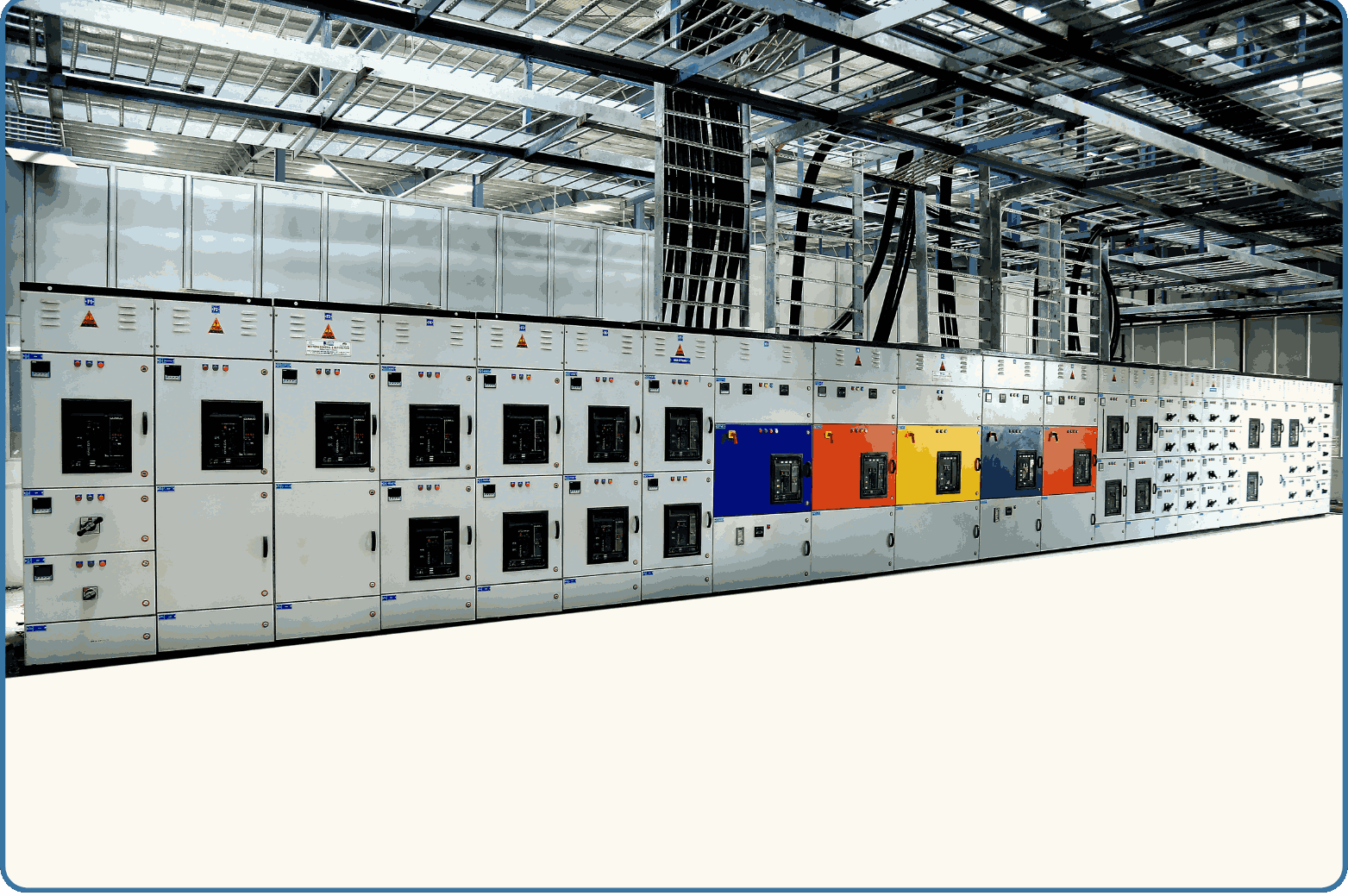
33kV VCBs are essential components in modern electrical infrastructures. They play a critical role in substations, where they help manage and control the distribution of electricity across vast networks.
These circuit breakers are widely used in industrial applications. Factories rely on them to ensure that their machinery operates smoothly without interruptions caused by electrical faults.
Urban areas also benefit from 33kV VCB technology. They are key players in urban grid systems, allowing for efficient power delivery to residential and commercial buildings alike.
Renewable energy projects increasingly incorporate 33kV VCBs as well. Wind farms and solar plants use these devices to maintain stable operations while integrating with existing grids.
In essence, the adaptability of 33kV VCBs makes them suitable for various sectors, enhancing reliability and efficiency throughout different applications.
Maintenance and Safety Tips for 33kV VCB
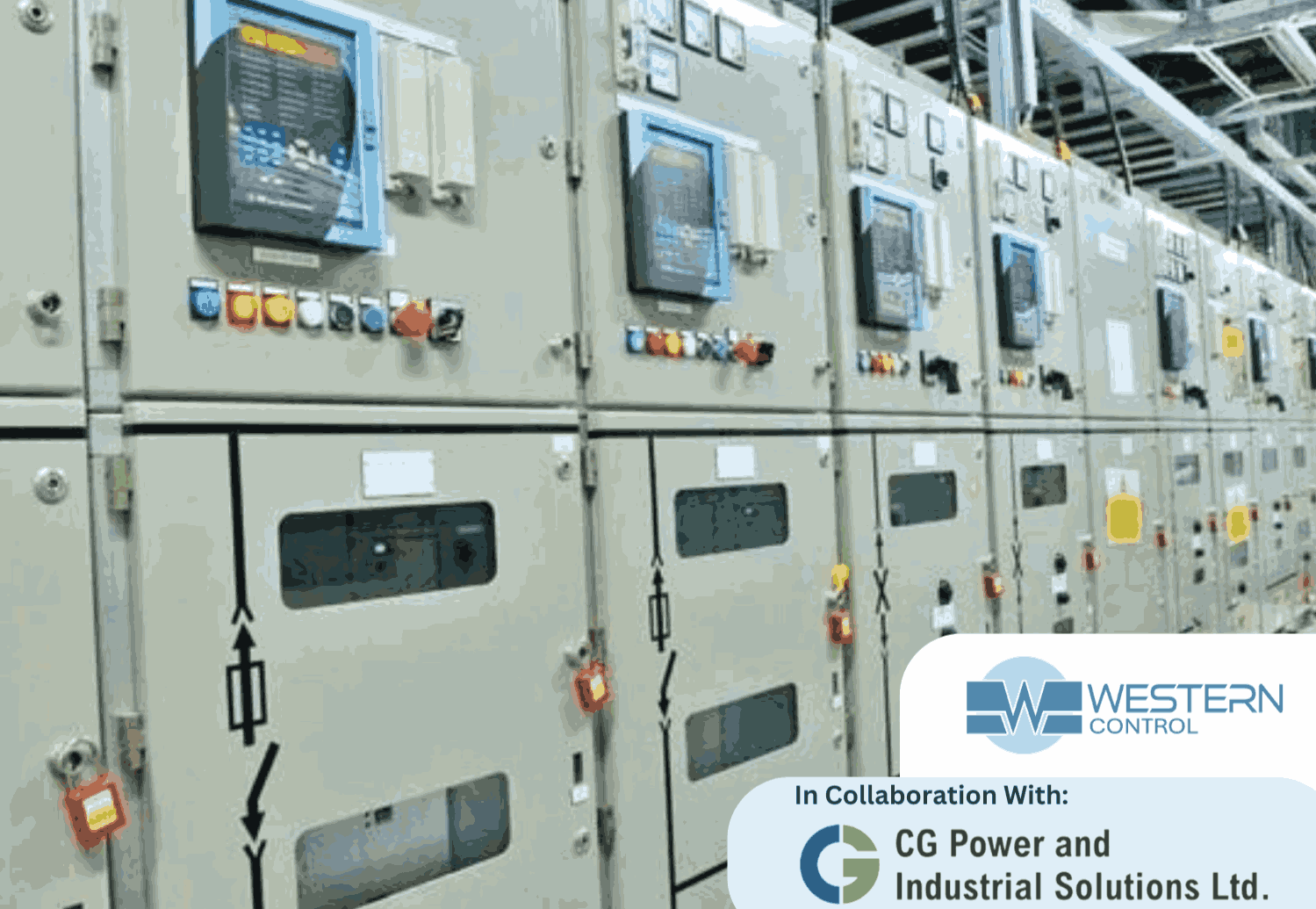
Regular maintenance is crucial for the longevity and reliability of 33kV VCBs. Inspecting components frequently can prevent potential failures. Check for signs of wear or damage, especially in moving parts.
Always ensure that your safety protocols are followed when performing any inspection work. Proper personal protective equipment (PPE) should be worn at all times to minimize risks.
Keep the area around the VCB clean and free from obstructions. This helps maintain airflow and reduces fire hazards caused by debris accumulation.
Conduct insulation resistance tests periodically to ensure optimal performance under various conditions. This simple measure can detect early issues before they escalate into costly problems.
Training personnel on emergency procedures further enhances safety during operational disruptions or malfunctions. Regular drills keep everyone prepared for unexpected situations involving the 33kV VCB systems.
Future Developments and Innovations in 33kV VCB Technology
The future of 33kV VCB technology is bright, with rapid advancements on the horizon. As industries strive for efficiency and sustainability, innovations are emerging to enhance the performance of these critical components.
Smart grid integration is one key trend. Manufacturers are developing VCBs that can communicate with other devices in real-time. This allows for better monitoring and control over electrical distribution systems.
Another exciting area is the use of eco-friendly materials in construction. These innovations aim to reduce environmental impact while maintaining reliability and safety standards.
Furthermore, advancements in automation technology promise to streamline operations. Automated maintenance alerts will keep systems running smoothly without constant human intervention.
As research progresses, we may also see enhanced fault detection capabilities within VCBs—improving response times during outages and reducing downtime significantly. The landscape of 33kV VCB technology continues to evolve rapidly, paving the way for smarter electrical grids.
Conclusion
The 33kV VCB is a pivotal component in modern electrical distribution systems. Its ability to provide reliable switching and protection makes it invaluable for utilities, industrial facilities, and commercial infrastructures alike.
Understanding how VCBs work broadens the appreciation of their role in maintaining system integrity while ensuring safety protocols are met. The advantages these circuit breakers offer—from improved operational efficiency to enhanced reliability—make them a preferred choice among engineers.
Their versatility allows for widespread application across various sectors, from renewable energy projects to urban development initiatives. As technology advances, so too will the innovations surrounding 33kV VCBs. This continuous evolution promises even better performance and sustainability features that can adapt to future energy demands.
Maintaining these vital components through regular checks ensures they operate at peak performance levels while adhering to strict safety guidelines protects both personnel and equipment.
As industries strive toward smarter grids and more efficient power distribution systems, the significance of 33kV VCB cannot be overstated. Embracing this technology not only supports current needs but also lays the groundwork for future advancements in electrical distribution solutions.